Featured
How AI Changes Enterprise Workflows
AI is reshaping software development, operations and business delivery. Success isn't about replacing people—it's about equipping teams with the right skills to work alongside intelligent technologies.
29 May 2026 • 4 min read

From document processing to decision support, AI is becoming part of how everyday business work gets done.
AI can help teams understand information, route work, identify patterns, recommend actions and automate repetitive steps. The opportunity is not simply to add AI, but to redesign workflows around the moments where intelligence can make work faster, clearer and more effective.
What Is Changing
From Automation To Intelligent Workflows

Interpret Information
AI can extract, classify and summarize information from documents, messages and other business content.

Support Decisions
AI can surface relevant information, identify patterns and provide recommendations to support faster decisions.

Trigger The Next Step
Combined with workflow automation, AI outputs can route requests, initiate actions and move work forward.
AI In The Flow Of Work
Where AI Creates Practical Value
AI becomes useful when it appears at the right point in a business process, rather than operating as a separate destination employees have to visit.
- Document Processing — Extract and organize information from forms, reports, invoices and supporting documents.
- Request Classification & Routing — Understand incoming requests and direct them to the appropriate workflow, team or next action.
- Knowledge Assistance — Help employees locate and summarize relevant policies, records and organizational information.
- Decision Support — Surface patterns, exceptions and contextual information that help people make better-informed decisions.

Human + AI Collaboration
AI Works Best With People In The Loop
Not every decision should be automated. Enterprise workflows often involve judgment, exceptions, approvals and accountability.
The strongest implementations use AI to reduce repetitive work and surface useful information while keeping people involved where experience, responsibility and business judgment matter.
- AI prepares information and highlights what matters
- People review recommendations and exceptions
- Workflows control approvals, routing and responsibilities
- Systems record actions for visibility and traceability

Building AI Responsibly
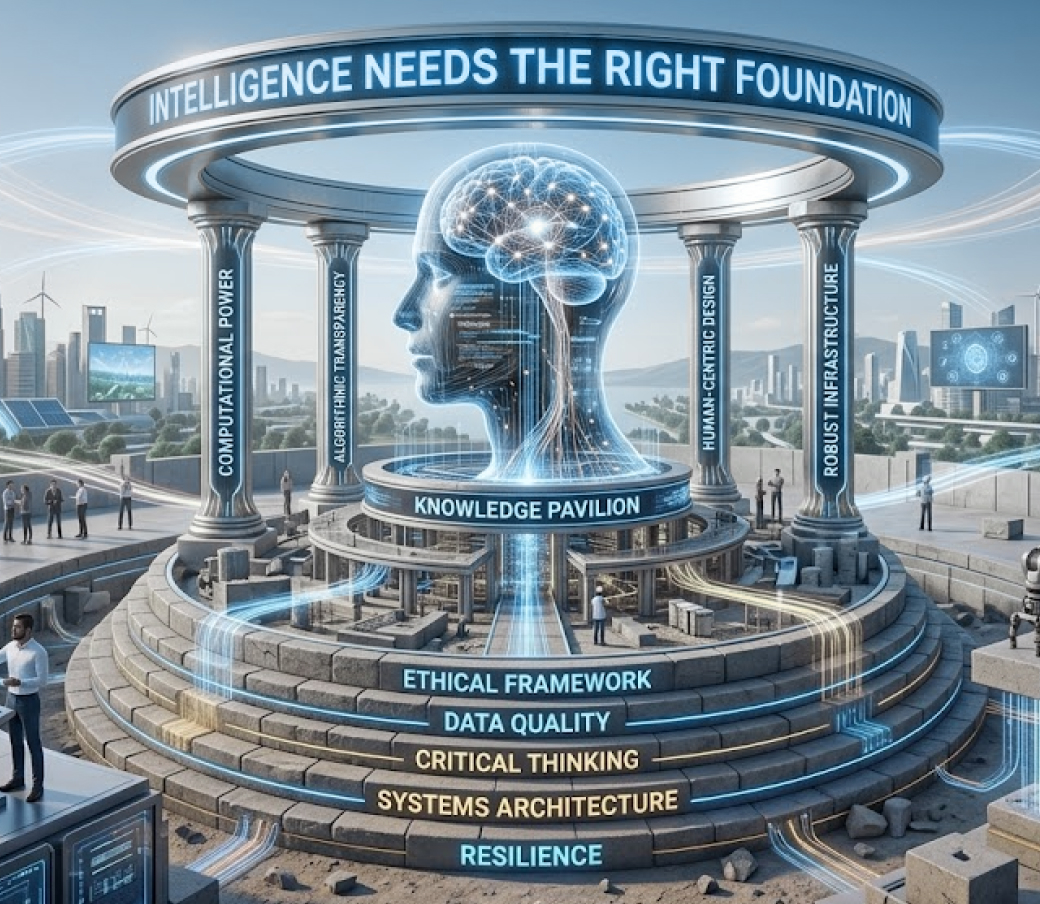
Intelligence Needs The Right Foundation
AI can accelerate work, but enterprise adoption also introduces questions around data, security, governance and accountability.
Successful implementation requires more than selecting an AI model. Organizations need to consider where information comes from, who can access it, how AI outputs are used and where human oversight remains necessary.
- Trusted Data — AI is only as useful as the information available to it.
- Security & Access — Sensitive business information must remain appropriately protected.
- Governance & Oversight — Define where AI can assist, recommend or act.
- Measurable Outcomes — Apply AI where it improves speed, quality, productivity or customer experience.

The biggest opportunity for enterprise AI isn't adding another tool. It's embedding intelligence into the moments where work actually happens.